
















 2025-10-22
In today’s fast-evolving material-handling and light-mobility industries, motive power batteries play a critical role in ensuring efficiency, reliability, and sustainability. From forklifts in warehouses to golf carts, Aerial Work Platforms (AWPs), and low-speed utility vehicles, each type of vehicle demands a specific balance of energy density, safety, and operational endurance.
Choosing the right battery system is not just about capacity or cost — it’s about finding a solution that aligns with the vehicle’s working conditions, performance requirements, and long-term operational goals. This article explores the unique power demands of different vehicles, what to consider when selecting a motive power battery, and how advanced lithium technology is reshaping modern mobility.
Core Requirements Across All Vehicle Types
While each type of industrial vehicle has its own performance priorities, the foundation of a reliable motive power system remains largely the same. Whether used in a forklift, aerial work platform, or utility vehicle, a well-designed battery must meet several essential requirements:
1. Voltage and Capacity
The power system should deliver stable voltage and sufficient capacity to support long hours of continuous operation. Inadequate energy reserves or voltage drops can reduce equipment efficiency and productivity. A balanced design ensures consistent output without frequent recharging interruptions.
2. Cycle Life
Cycle life defines how many times the battery can be charged and discharged before its capacity noticeably declines. A longer cycle life means fewer replacements, lower maintenance costs, and greater long-term value — a critical factor in total cost of ownership for fleet operators.
3. Charging Speed
Fast and opportunity charging capabilities are particularly important for vehicles that operate in multiple shifts or under tight schedules. The ability to quickly recharge during breaks or idle time helps maximize uptime and operational efficiency.
4. Thermal Performance
Batteries in industrial vehicles often work under high-load and high-temperature conditions. Efficient thermal management — through intelligent heat dissipation or temperature control — ensures the system remains safe, stable, and performs consistently even in demanding environments.
5. Intelligent Control
A smart Battery Management System (BMS) continuously tracks parameters such as voltage, current, and temperature. It balances cells, prevents overcharge or deep discharge, and provides real-time diagnostics. This intelligent control not only enhances reliability but also extends the battery’s service life.
6. Safety and Certification
Safety remains the top priority in motive power systems. Batteries must comply with recognized industrial standards and certifications to guarantee protection against electrical, thermal, and mechanical risks. Compliance also helps ensure compatibility with global markets and equipment requirements.
Vehicle-Specific Power Demands and Solutions
1. Forklifts – High Load, High Intensity
Forklifts serve as the backbone of industrial logistics, operating for long hours under heavy loads with frequent charging cycles. Their demanding work environment requires forklift batteries that can deliver consistent power, withstand rigorous use, and minimize downtime.
Key Requirements
● High Discharge Capability
Forklifts need strong power output for lifting, accelerating, and maneuvering heavy loads efficiently.
● Excellent Thermal Management
Effective heat dissipation and temperature stability are essential to maintain performance and ensure safety during continuous operation.
● Fast Charging Compatibility
Forklift Batteries must support rapid or opportunity charging to keep equipment running across multiple shifts without long interruptions.
Recommended Battery Features
● Automotive-Grade Lithium Iron Phosphate (LFP) Cells
These cells provide superior durability, high energy efficiency, and enhanced safety compared to traditional lead-acid batteries.
● Smart Battery Management System (BMS)
A BMS enables real-time monitoring of voltage, current, and temperature, balances individual cells, and prevents overcharge or deep discharge.
● CAN or RS485 Communication
Seamless integration with forklift control systems allows remote monitoring, predictive maintenance, and optimized operational performance.
Compared with lead-acid alternatives, lithium forklift battery solutions offer higher energy efficiency, longer cycle life, and lower total cost of ownership. For warehouses, manufacturing facilities, and logistics centers, this translates to improved uptime, reduced maintenance efforts, and more reliable day-to-day operations.
2. Aerial Work Platforms (AWPs) – Safety and Steady Output
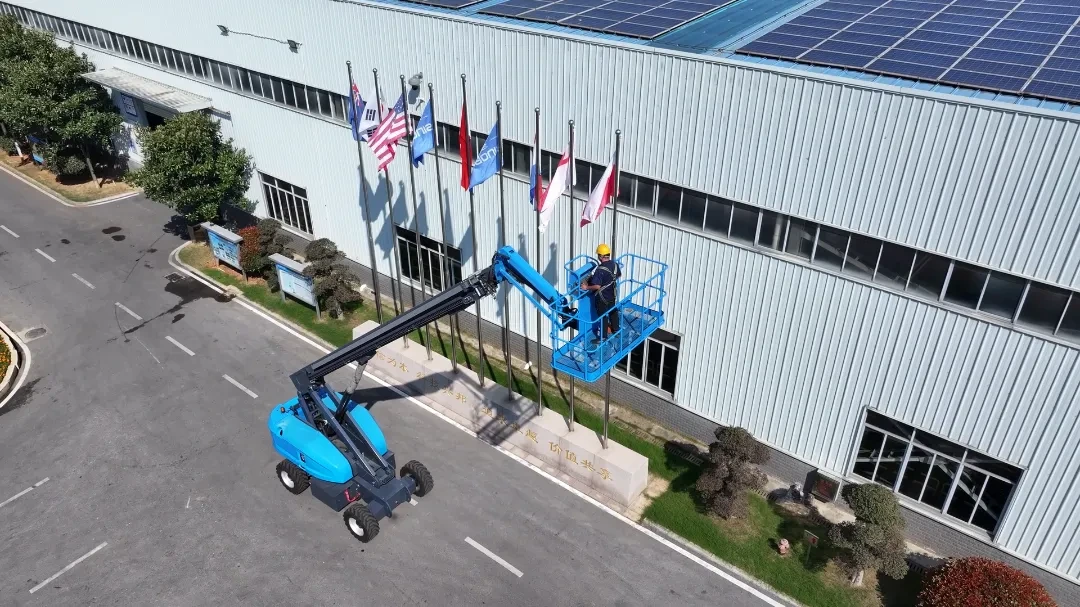
Aerial Work Platforms (AWPs) are designed to lift personnel and equipment to elevated heights safely. Because precise control and operator safety are critical, these vehicles require AWP batteries that deliver smooth, consistent power under varying loads. Any voltage drop or unexpected performance fluctuation can interrupt workflow or compromise safety.
Key Requirements
● Stable Voltage Output
AWPs rely on sensitive hydraulic and electronic systems that demand consistent voltage to ensure smooth lifting and lowering operations.
● Lightweight Design
Batteries for Aerial Work Platforms should be compact and light to maximize platform reach and maneuverability without compromising structural stability.
● Enhanced Safety Protection
Built-in safeguards and robust construction help prevent electrical faults or thermal issues, which is essential when operating at heights.
Recommended Battery Features
● Compact Lithium Modules
Efficient lithium modules provide high energy density while keeping the overall weight low.
● Integrated Smart BMS
A Battery Management System monitors voltage, current, and temperature, detects faults, and logs events for maintenance planning.
● IP-Rated Protection
AWP Batteries designed for outdoor or harsh industrial environments offer resistance to dust, moisture, and temperature extremes.
Smart lithium systems for AWPs ensure stable performance and reduce the need for frequent manual maintenance. For rental fleets and contractors, this reliability translates to safer operations, fewer interruptions, and lower operational costs.
3. Golf Carts – Lightweight and Long Range
Golf carts and similar light electric vehicles are designed for comfort, quiet operation, and extended use over moderate distances. Users expect smooth rides, reliable performance, and minimal maintenance requirements, whether navigating a golf course, resort, or private community.
Key Requirements
● Lightweight Structure
A lighter battery contributes to better handling and energy efficiency, ensuring the vehicle remains agile and easy to operate.
● High Energy Density and Long Cycle Life
Golf Carts batteries must store enough energy for long-range use while enduring many charge/discharge cycles without significant performance loss.
● Rapid or Opportunity Charging
Quick charging capability allows the vehicle to be ready for use throughout the day without extended downtime.
Recommended Battery Features
● High-Capacity Lithium Packs
Compact lithium battery packs provide strong power delivery while maintaining a lightweight design.
● Memory-Free Charging
Unlike traditional lead-acid batteries, lithium systems do not require full discharge before recharging, simplifying operation and maintenance.
● User-Friendly Monitoring
Built-in displays or mobile app connectivity help users track battery status, remaining range, and charging progress.
Advanced lithium power systems extend the operational range of golf carts and ensure consistent power delivery, even on slopes or uneven terrain. This combination of long life, lightweight design, and smart monitoring enhances user experience, reduces maintenance, and improves overall efficiency.
4. Low-Speed Utility Vehicles – Reliability and Adaptability
Low-speed utility vehicles (LSUVs) are versatile electric vehicles used in a variety of commercial and municipal applications, including security patrols, campus transportation, park maintenance, and industrial facilities. These vehicles often operate under different climates and schedules, requiring batteries that deliver consistent performance and can handle variable workloads.
Key Requirements
● Reliable Performance in Diverse Conditions
Low-speed utility vehicles batteries must maintain stable power output across different temperatures, weather conditions, and load levels.
● Long Service Intervals
Extended maintenance cycles help reduce downtime and operating costs for fleet operators.
● Flexible Charging and Modular Capacity
Batteries for low-speed utility vehicles should support different charging strategies and allow scalable configurations to match varying driving ranges and payload requirements.
Recommended Battery Features
● Smart Lithium Energy Modules
Integrated BMS with IoT-enabled monitoring provides real-time diagnostics, alerts for potential issues, and data for predictive maintenance.
● Temperature-Adaptive Design
Batteries that adjust performance based on environmental conditions ensure stable power delivery and prevent overheating or efficiency loss.
● Scalable Configuration
Modular design allows operators to expand capacity or swap units quickly, extending vehicle range without replacing the entire battery system.
Smart lithium battery systems enable operators to manage LSUV fleets more efficiently, reduce unexpected downtime, and optimize total cost of ownership. With remote monitoring and predictive analytics, fleet managers gain visibility into performance trends and can plan maintenance proactively, ensuring reliable, safe, and cost-effective operation.
How to Select the Right Battery for Your Vehicle
Choosing the right motive power battery is more than simply matching voltage or capacity. It requires balancing performance, cost, and operational convenience to ensure your vehicle operates safely, efficiently, and reliably over time. Here are the key factors to consider when selecting a battery:
1. Match Voltage and Capacity to Load
Always ensure the battery’s voltage and amp-hour rating align with your vehicle’s specific performance requirements. A battery that is too small may lead to frequent charging interruptions or reduced lifting and driving power, while an oversized battery can increase costs and add unnecessary weight.
2. Understand Usage Patterns
Different vehicles have distinct duty cycles. For example, forklifts often operate continuously in multiple shifts, whereas golf carts or utility vehicles may see intermittent use. Understanding how your vehicle will be used helps determine the ideal battery chemistry, size, and charging strategy.
3. Evaluate Charging Infrastructure
Consider the charging options available in your facility or fleet. Fast charging or opportunity charging can maximize uptime for high-utilization vehicles, while slower overnight charging may suffice for lighter-use applications. The battery you choose should be compatible with your charging infrastructure.
4. Look for Smart Features
Modern motive power batteries equipped with integrated BMS, CAN communication, and IoT connectivity provide real-time monitoring, fault detection, and predictive maintenance insights. Smart features not only enhance safety but also allow operators to optimize charging cycles and extend battery life.
5. Prioritize Safety and Support
Finally, ensure the battery meets recognized safety standards and certifications. Reliable after-sales support, including warranty coverage and technical guidance, is equally important for maintaining fleet performance and minimizing unexpected downtime.By carefully considering these factors, operators can select a battery that maximizes efficiency, reliability, and total cost-effectiveness for their specific vehicles and operational needs.
Conclusion
As electric mobility continues to expand across industrial and commercial sectors, understanding the specific energy needs of each vehicle type becomes essential. Choosing the right motive power battery ensures not only smoother operations but also lower costs and a smaller environmental footprint.
With the rise of intelligent lithium systems — combining advanced BMS, IoT connectivity, and modular design — the future of motive power is smarter, safer, and more efficient than ever before.
 Name
Name Tel
Tel Email
Email Country
 Company
 Information