
















 2025-10-23
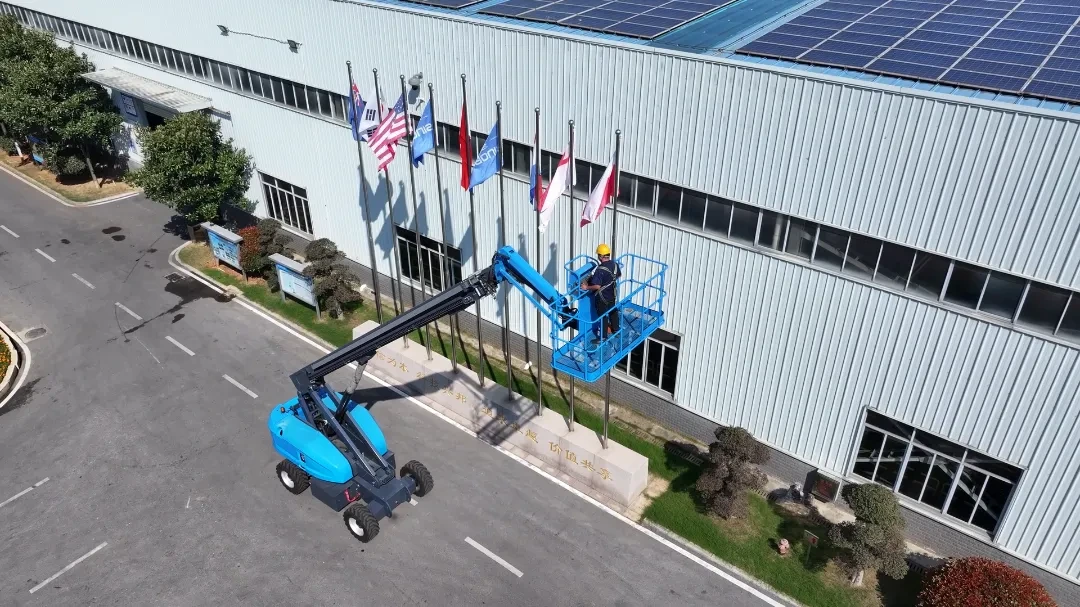
As the construction and equipment rental industries continue to shift toward electrification, Aerial Work Platforms (AWPs) are at the forefront of this transformation. Traditionally powered by lead-acid batteries, these machines are now benefiting from the superior performance of lithium motive power batteries, which are redefining reliability, productivity, and total cost of ownership across global operations.
The Shift from Lead-Acid to Lithium: A New Standard for AWP Power
For decades, lead-acid batteries have served as the dominant power source for Aerial Work Platforms due to their affordability and maturity. However, their limitations—such as long charging times, frequent maintenance, and declining efficiency over time—have made them less suitable for today’s demanding work environments.
In contrast, lithium motive power batteries introduce a new benchmark for performance and reliability. Built with higher energy density and advanced battery management systems, they deliver longer runtime, stable voltage output, and exceptional cycle life. Their fast-charging capability allows operators to take advantage of opportunity charging during short breaks, keeping machines available almost around the clock. Moreover, lithium batteries are completely maintenance-free—eliminating the need for water refilling, terminal cleaning, and equalization charging—reducing both labor costs and downtime.
By combining superior energy efficiency, safety, and convenience, lithium technology perfectly aligns with the operational requirements of modern AWPs. It enables higher fleet productivity, lower total cost of ownership, and a more sustainable approach to power management—setting a new standard for the next generation of aerial work platforms.
Technical Advantages That Drive Operational Efficiency
The technological differences between lead-acid and lithium motive power batteries go far beyond chemistry—they fundamentally change how Aerial Work Platforms operate on a daily basis. The comparison below highlights the most significant performance indicators that influence operational efficiency, equipment uptime, and lifecycle cost.
|
|
Lead-Acid Battery |
Lithium Battery |
|
Cycle Life |
500–800 cycles |
3000+ cycles |
|
Charging Time |
6–8 hours |
1–2 hours (fast charging) |
|
Energy Efficiency |
70–80% |
>95% |
|
Maintenance |
Regular watering and cleaning |
Completely maintenance-free |
|
Power Consistency |
Noticeable voltage drop during discharge |
Stable voltage throughout the entire cycle |
These differences are not just technical details—they directly translate into measurable performance gains for AWP operators and fleet owners.
With lithium AWP batteries, machines can take advantage of opportunity charging, allowing short charging sessions during lunch breaks or shift changes. This enables near-continuous operation and minimizes downtime caused by lengthy charging cycles.
In addition, the maintenance-free design of lithium batteries eliminates the need for regular watering, acid level checks, or terminal cleaning—common pain points in lead-acid systems. The result is lower service costs, fewer safety risks, and improved overall fleet efficiency.
The longer cycle life of lithium batteries—typically more than three times that of lead-acid—means fewer replacements over the lifespan of the equipment. This not only reduces waste and material costs but also ensures consistent performance throughout years of intensive use.
Together, these advantages allow operators to maximize uptime, optimize fleet utilization, and achieve a lower total cost of ownership (TCO). In fast-moving construction and rental environments, these improvements can make a decisive difference in both productivity and profitability.
Unlocking Value for Rental Fleets and OEMs
For rental companies and equipment manufacturers, uptime equals profitability. Lithium AWP batteries maximize fleet utilization by cutting unplanned maintenance and reducing turnaround time between rentals.
1. Lower Total Cost of Ownership (TCO)
While the upfront investment is higher, lithium systems typically deliver 30–40% lower lifetime costs compared with lead-acid batteries.
2. Enhanced Fleet Reliability
An integrated Battery Management System (BMS) continuously tracks temperature, voltage, and current to maintain safe, efficient operation.
3. Stable Power Output
Lithium cells sustain a consistent voltage level, ensuring that AWPs lift and maneuver smoothly even at lower charge levels.
4. Optimized Space and Weight
With higher energy density, lithium batteries take up less space and reduce total system weight—beneficial for compact or high-reach platform designs.
Supporting Sustainable and Intelligent Operations
Beyond performance, lithium motive power batteries contribute to global sustainability goals. With higher round-trip efficiency and zero on-site emissions, they help reduce the overall carbon footprint of AWP fleets.
In addition, advanced Battery Management Systems (BMS) enable remote monitoring, predictive maintenance, and data-driven fleet management—essential steps toward smarter, more connected construction equipment.
Meanwhile, battery recycling initiatives and second-life applications are developing rapidly, further enhancing the environmental and economic value of adopting lithium technology.
Conclusion
As the AWP industry evolves, battery technology has become a strategic differentiator. Lithium motive power batteries are no longer a premium alternative—they are becoming the new standard. Their proven durability, safety, and efficiency help OEMs design next-generation electric platforms and allow fleet operators to meet both productivity and sustainability targets.
Reliable, efficient, and intelligent lithium AWP batteries are powering the next generation of Aerial Work Platforms, redefining how height and mobility are achieved in modern worksites.
 Name
Name Tel
Tel Email
Email Country
 Company
 Information